Omnichannel marketing is a way to make your brand feel the same everywhere: website, email, ads, social, SMS, app, and in-store. People can start on their phone, switch to a laptop, and buy later without friction.
Why is this important?
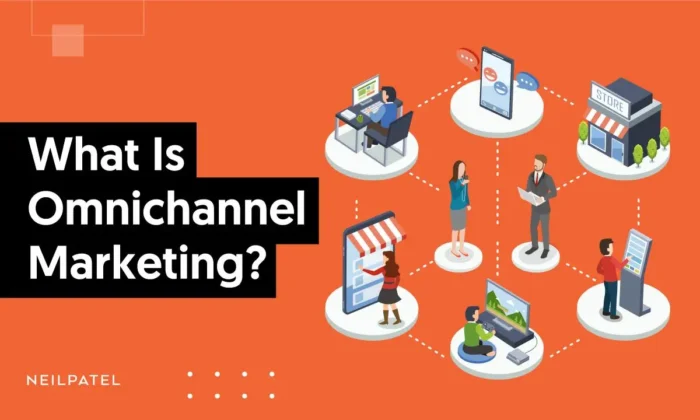
Your customer doesn’t think in channels. They see one brand. If your ads, emails, site, app, and store don’t match, money slips through the cracks. Omnichannel marketing closes those gaps and moves more people to buy.
But how many more people are buying from omnichannel campaigns versus single-channel campaigns?
A lot, actually.
An Omnisend study found the purchase rate of omnichannel marketing campaigns to be 287% higher than single-channel campaigns.
Creating a seamless experience for your customers means better brand perception and higher revenue. It’s a real win-win.
This guide walks you through omnichannel marketing strategy benefits, best practices, and examples. By the end of it, you’ll understand what goes into creating an omnichannel campaign that drives results.
Key Takeaways
- Omnichannel marketing creates a seamless customer experience across every touchpoint, including website, email, ads, SMS, social, app, and in-store.
- Brands using an omnichannel strategy saw purchase rates 287 percent higher than single-channel campaigns in one study.
- Unlike multichannel marketing, omnichannel connects your data and messaging across platforms so everything works together, not in silos.
- Benefits include better customer experiences, stronger brand recognition, more personalization, higher loyalty, and increased revenue.
- To get started, map your customer journey, centralize data, integrate your channels, and follow clear brand guidelines for a consistent feel.